
Red light and fungal infections
Light therapy using red or infrared light has been studied in relation to infections (both fungal and bacterial infections) throughout the body. This article reviews studies that have investigated the relationship between red light therapy and fungal infections. This includes related conditions such as vaginal yeast, groinmold, inflammation of the glans, nail infections, ringworms, athlete’s foot and so on. Does red light show potential for these purposes?
Introduction
It is surprising how many people suffer from chronic infections on a weekly or monthly basis. While some say it’s part of the game, inflammation problems are not a normal phenomenon. This makes treatment necessary.
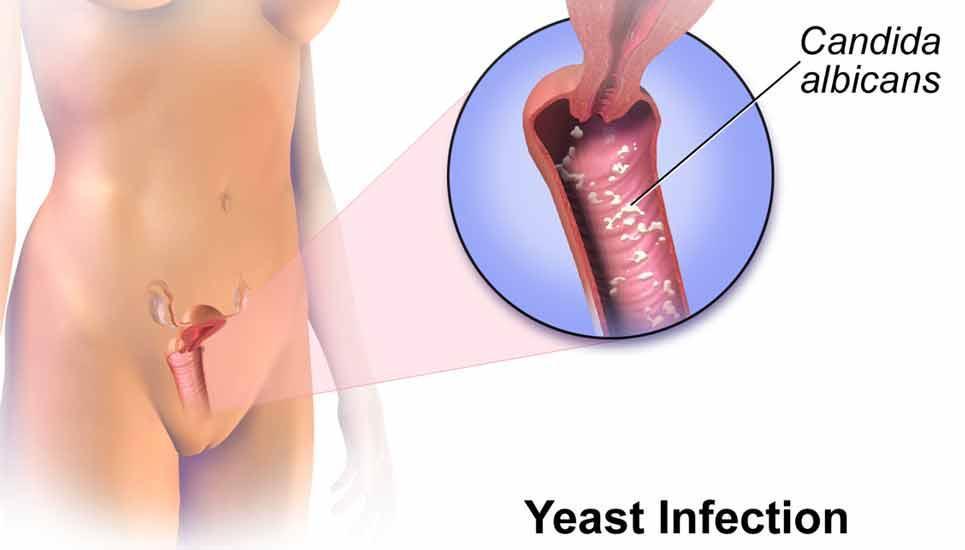
Figure 1. Vaginal infection with the bacteria Candida albicans.
Suffering from infections causes the skin to be in constant inflammation, causing the body to form scar tissue instead of normal, healthy tissue. This disrupts the function of the affected body part forever. This can be a big problem in areas such as the genitals.
Whatever infection you have or anywhere on your body, it is very likely that the influence of red light therapy has been studied. Why is red light so interesting when it comes to infections? Some of the ways light therapy can help are described below:
Red light reduces inflammation
Redness, soreness and itching are typical symptoms of infections as the immune system tries to defend the body against aggressive microorganisms. The pressure of this interaction on the local tissue contributes to increased inflammation which in turn contributes to fungal growth. Many prescriptions and ointments to treat infections contain anti-inflammatory components, such as hydrocortisone. These help the body deal with the pressure, but some say they only cover up the underlying problem.
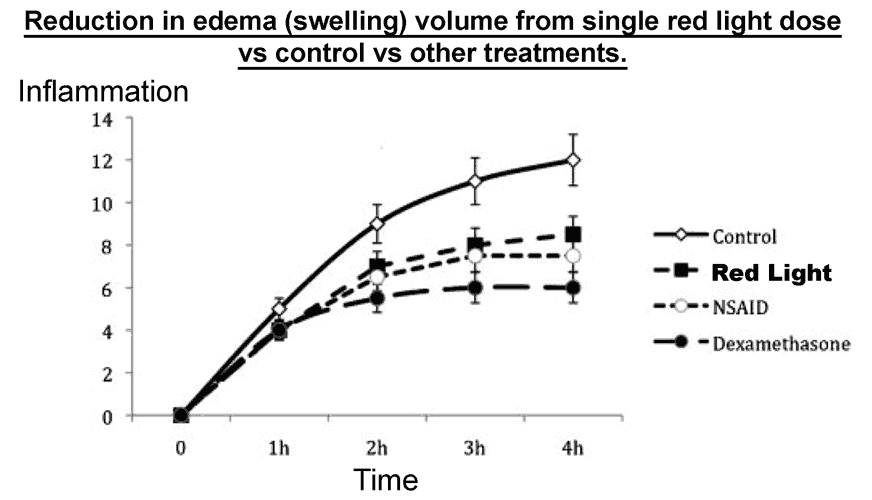
Figure 2. Reduction in swelling after a single treatment with red light, NSAIDs and Dexamethasone.
Some research on red light leads to the potential conclusion that red light helps the body deal with metabolic causes of inflammation, allowing cells to produce more ATP (energy) and CO2 through the respiration process in the body’s cells. The products of this respiration process have almost the same effects as anti-inflammatory components. They inhibit the synthesis of prostaglandins (an important mediator of the inflammatory response) and stop the release of various inflammatory cytokines.
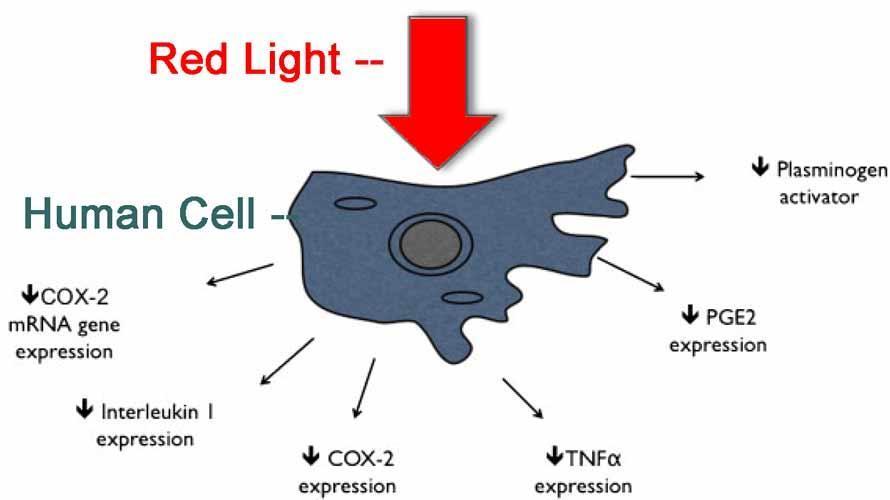
Figure 3. The release of inflammatory cytokines in an infection or injury.
Some people think inflammation is a necessary part of recovery from infection or injury, but it should be viewed as a symptom of the body not functioning properly. Fetuses from most animals show that it is normal for an injury to heal without any inflammation. Even during childhood, inflammation is minimal and disappears quickly. The fact that we age, which causes our cells to function less well, causes inflammation to increase, which can lead to a problem.
Light therapy harms fungi and bacteria
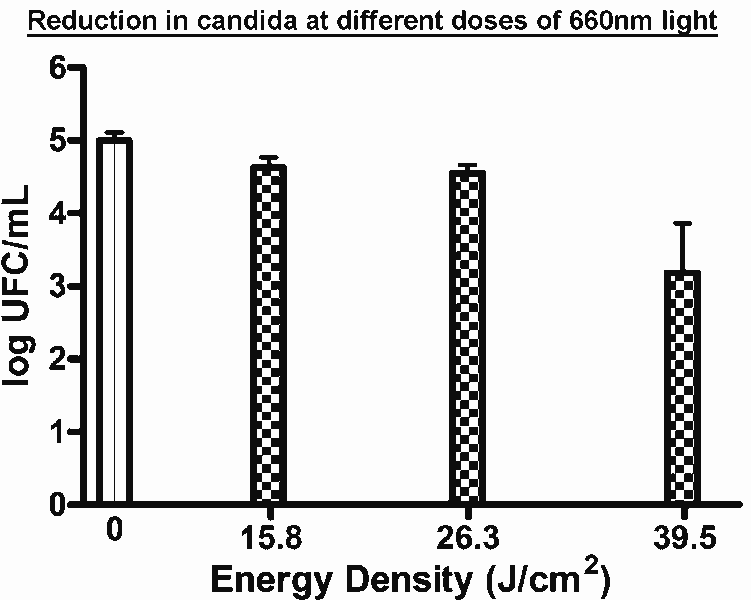
Figure 4. The reduction of the Candida bacteria at different doses of 660 nm light.
Perhaps the main reason for the interest in red light to treat infections is that red light, in some organisms, can directly destroy the fungi or bacteria. Studies show that there is a dose-dependent effect for this. That is why it is important to achieve the right amount of exposure. It seems in studies that a higher dose and longer exposure leads to more destruction of the bacteria (Figure 4). Low doses only seem to inhibit the growth of fungi.
Mold treatments, including red light, often involve light-sensitive chemicals. This is often called photodynamic therapy. When such chemicals, such as methylene blue, are administered, fungicidal effects of red light get enhanced. However, red light alone also has an effect in other studies. This can perhaps be explained by the already present endogenous photosensitive components in micro-organisms. The red or infrared light interacts with the chemicals in the fungal cells, causing a destructive reaction that eventually destroys the fungi.
Regardless of the mechanism, red light therapy has been studied for infections with different types of fungi and bacteria. The beauty of using red light to treat infections is that the microorganisms are killed, while human skin produces more energy and CO2, which can reduce inflammation.
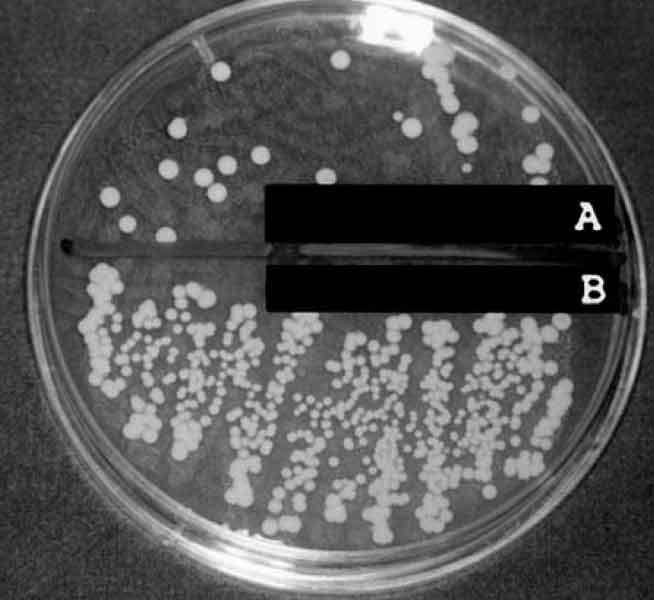
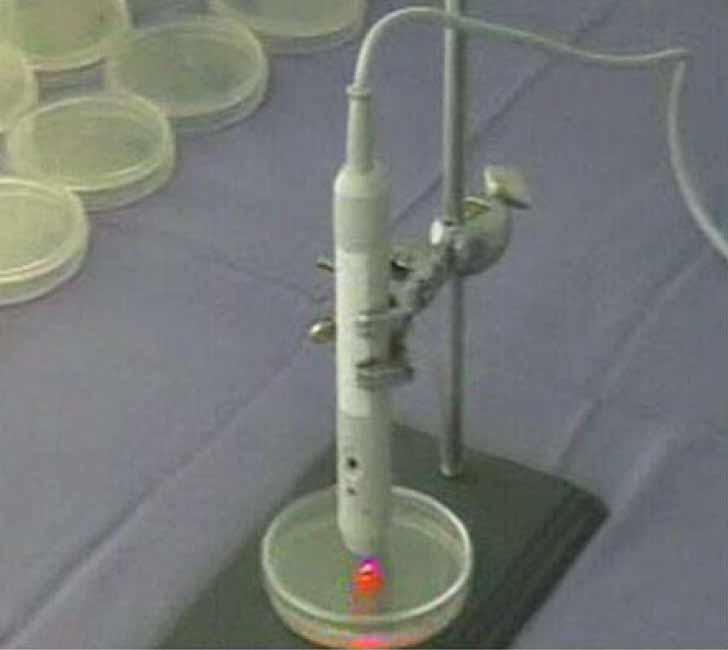
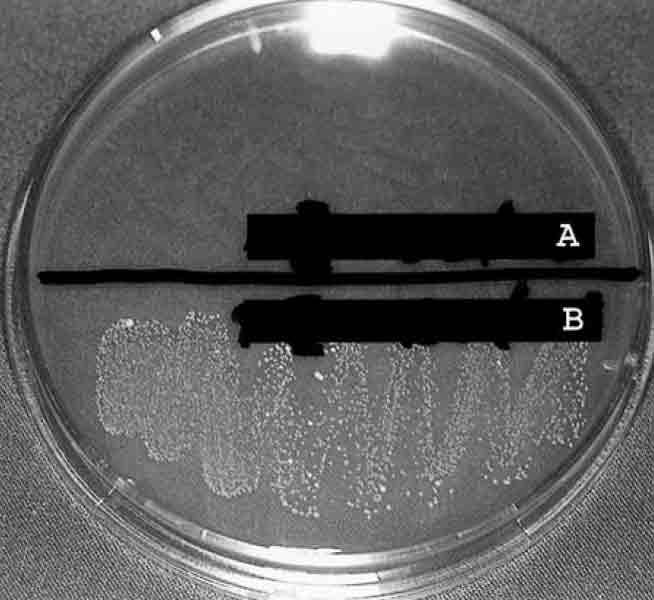
Figure 5. Fungal cells growing on a nutrient plate. Red light (685 nm) is used to kill the fungi.
Resolving recurrent and chronic fungal infections
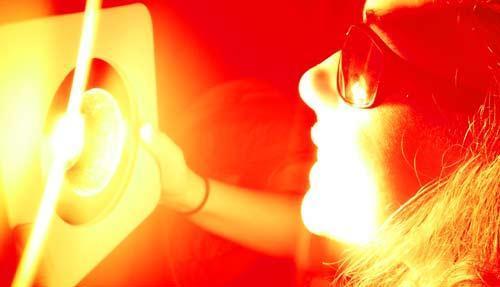
Figure 6. Red light has been studied for oral Candida infections
Many people experience recurrent andreturning infections, necessitating a long-term solution. Both of the aforementioned effects (repair without inflammation and sterilization of the skin from harmful microorganisms) of red light can lead to healthier skin and better resistance to future infections.
Low levels of Candida and fungi are normal in our skin flora. They usually do not cause any negative effects. Minor inflammations (due to various causes) stimulate the growth of these fungi, creating more inflammation. So there is a classic vicious circle here. A minute increase in inflammation can quickly escalate into a persistent infection.

Figure 7. Red light is used to treat nail fungus.
Researchers have looked at the direct effects of red light on returning thrush infections. The studies state that using red light works best when you feel an infection coming on. Some studies even speculate that the constant use of red light to prevent infection and inflammation might be the best option. The skin in an area that usually becomes infected takes several weeks to recover without inflammation. Because the natural structure of the skin is restored, a higher resistance to inflammation and infections is built up.
What type of light do you need?
Almost all studies on this subject use red light with a wavelength of 660 – 685 nm. Some studies use wavelengths of 780 nm and 830 nm with nearly identical results per applied dose. With the research results so far, it seems that the use of red light provides more anti-inflammatory effects. Infrared light probably provides a slightly better fungicidal effect. The differences, however, are minor and not significant. Both light therapies have a strong anti-inflammatory and antifungal effect. Both effects are equally essential to clear up fungal infections. From our experiences we have learned to use the combination of red and infrared light.
Infrared has better penetration properties than red light, so deeper fungal infections (such as in the vagina or mouth) can be better treated with infrared therapy. Red light seems more interesting for fungal infections on the skin.
How do you use light therapy?
The research results show that a higher dose of light is more effective against destroying fungal infections. A longer exposure and a small distance also lead to better results. Since fungal cells directly lead to inflammation, a higher dose of red light also leads to resolution of the inflammation.
Summary
Light therapy has been studied for short- and long-term treatments for fungal infections, with both red and infrared light being investigated. The fungi are killed by a photosensitive mechanism that is not present in human cells. In several studies, it has been shown to reduce inflammation. In addition, light therapy can be used preventively. A higher light dose seems necessary to achieve the desired results, ie. a 15 minute session at 10 cm has more effect than a 10 minute session at 15 cm.


