
Conclusion at a glance
Red and Infrared LED light therapy works because:
- Red and infrared light penetrates deeper into the body
- This red light promotes chemical processes in the body
- The intensity of this light quickly replenishes what we lack
- introduction
- Clinically proven
- What is Cytochrome C oxydase
- On animals and plants
- Difference with incandescent lamps
- Use other lamps
How does red light therapy work?
Before the scientific terms come along, I will first explain to you what Red Light Therapy does in normal words.
The body consists largely of fluids. Everyone has learned that the body consists of 60 to 80% water. This water is not just the blood, but is in all the tissues of the body. When you have a wound, all this water doesn’t just flow out, mainly just some blood. This is because the water in your body is structured, some even call this liquid crystal. In the case of disorders, there is no optimal structure of the water, whether this concerns tissue, the blood and its flow or lymph. Red Light Therapy promotes this situation so that blood flows better, the lymph works better again and the tissue contains structured water again.
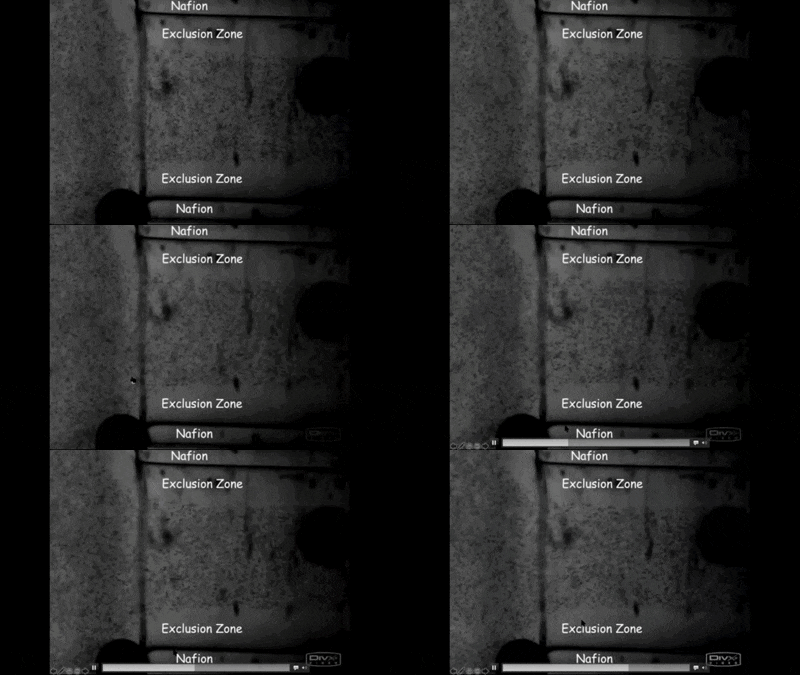
Structured water with macroparticles flows automatically under an infrared lamp
Intro to science if this interests you:
Red light therapy, also called Low Level Laser Therapy (LLLT) or photobiomodulation – is the use of red light (or infrared light) for beneficial properties on the body. These beneficial properties are explained in detail below, but red light (in the right intensity and dose) has a therapeutic or healing effect on the tissue and body. Practical examples of red light therapy include the use of a laser, or a red light LED, that emits light in a red light spectrum onto an injured body part.
You may have heard of red light therapy under another name, such as:
- Photobiomodulation
- ‘low level light’ therapy
- Soft laser therapy
- Cold laser therapy
- Biostimulation
- Photonic stimulation
- Low-power laser therapy
If you have done some research on this site or those of other brands, you will know that light has numerous effects on the body.
For example:
- exposure to light affects our mood, our sleep, our hormones and much more.
- For example, blue light can wake us up or impair our sleep.
- Red light is the healing and therapeutic aid in growth and recovery.
- Infrared light warms us and can aid in detoxification.
- UV-B light is used for vitamin D synthesis in our skin.
Light therefore not only functions as a color to illuminate your surroundings, but actually penetrates the body and subsequently has biological effects. Despite many claims that light penetrates only as deep as the skin, we’ve all experienced shining a flashlight through our cheeks or hands in the dark and seeing a glow on the other side. Even light with a supposed penetration depth of 1 mm does indeed penetrate us. Red and infrared light do this with many positive effects.
This deep tissue penetration also means that red light can have a systemic effect on the human body, rather than the biological effects remaining localized in a specific area. The reason for these systemic effects is the ability of red light therapy to stimulate ATP production.
This quote from the article titled “Low-Level Laser Therapy for Fat Layer Reduction: A Comprehensive Review” states:
The mechanism is based on the absorption of red and short-wave infrared photons by chromophores in the mitochondria (in particular cytochrome c oxidase), leading to increases in mitochondrial membrane potential, oxygen consumption, adenosine triphosphate (ATP), and a transient increase in reactive oxygen species (ROS).
A reader of this text simplified this paragraph with the following comment:
It is the energy of the photon that is used by the body. Just like a plant uses light energy to generate complex molecules via chlorophyll, our own chromophores use the energy of the photons to do the same, only for different reasons: changing membrane potential, increasing oxygen utilization, generating ATP, etc.
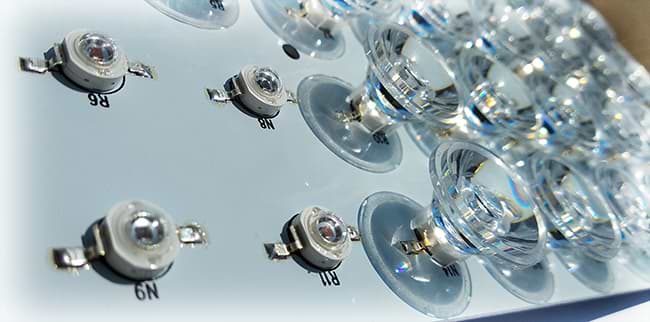
Red light therapy lamps (and the LEDs commonly used) can be designed to emit very specific wavelengths of light. NorahLux light therapy lamps are designed to affect mitochondria throughout the body. Mitochondria are the energy-producing units of our cells. Improving mitochondrial function will improve your overall health.
Not all wavelengths of red and infrared light are optimally absorbed by mitochondria. By focusing the LEDs on a few highly therapeutic wavelengths, maximum absorption is achieved. Therefore, choosing suboptimal wavelengths would largely waste energy. Traditional light bulbs, such as incandescent or halogen, use many of these intermediate wavelengths, which lack proven therapeutic effects because they don’t emit enough light at the very specific wavelength peaks, which generate too much heat.
Clinically proven wavelengths of red and infrared light
Only the safest, most proven wavelengths deliver optimal health benefits. Natural light is a broad spectrum that includes many wavelengths and colors. Leading researchers of photobiomodulation have found in numerous peer-reviewed studies that a narrow band of red and shortwave infrared light is the clinical sweet spot for health. The best light therapy devices use these proven wavelengths: red and infrared light in a range between 600 and 900 nanometers. [3,4]
What is Cytochrome C Oxidase and what does red light therapy have to do with it?
Cytochrome c oxidase (CCO), is better described in the term electron transport chain complex 4. For every detail that is known about this, it is best to search here. Youtube offers some graphical representations in this that make it a bit more tangible. During the fourth stage of cellular respiration (oxidative phosphorylation), specific wavelengths of red and shortwave infrared light break the bond between nitric oxide and CCO. This allows oxygen to bind to NADH, restoring the normal pathway for hydrogen ions to create the electrochemical potential that produces ATP (cellular energy). A simple way to think of this process is that photons essentially charge your cellular batteries.

Activating cytochrome c oxidase is critical when it comes to photobiomodulation. With this in mind, let’s look at the graph below, which shows the activation of CCO at different wavelengths. As you can see, there are specific absorption peaks in the 600 nm and 800 nm ranges. For example, wavelengths in the 700-730 nm range have very little biological impact due to their inability to efficiently activate CCO.

Can you use red light therapy on animals or plants?
Red Light Therapy has been (and continues to be) successfully used to help animals heal. Also, red light therapy is often used to help plants grow. Growers in greenhouses are increasingly using LED lighting with specific colors for specific purposes, so there is a difference between the growth and flowering period. Red light is one of the options.
How is Red Light Therapy different from sunlight or incandescent light bulbs?
Research has shown that light in the red and short-wave infrared spectrum has many benefits for the body. This light usually ranges in frequency from 620 nanometers (nm), to about 1000nm. These specific wavelengths penetrate deep into the body tissues and are also very well absorbed by the body. This 600-1000 nm range of light forms a very small portion of the electromagnetic spectrum as seen below:
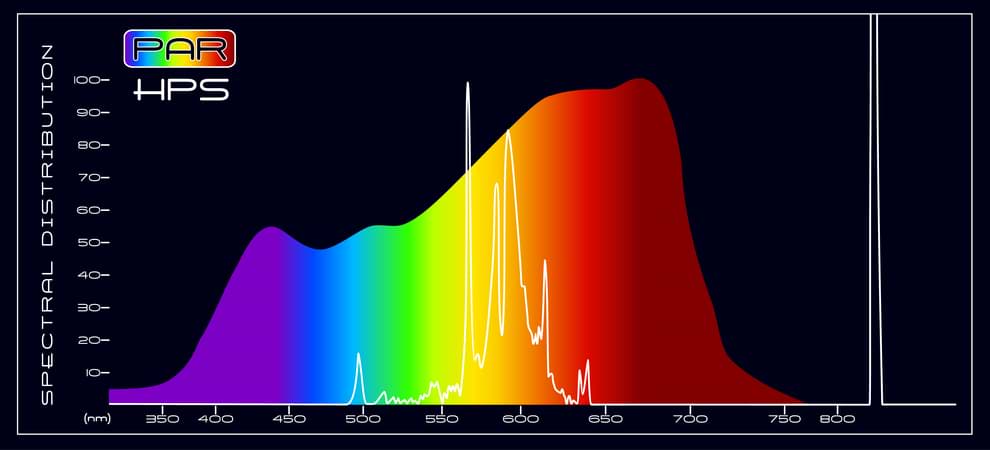
In fact, it includes only a small amount of the visible light spectrum that we see with our naked eye plus a small portion that is invisible.
Light sources such as the sun and regular incandescent light bulbs emit light in all spectra of visible light – hence the name ‘full spectrum light’ and this is also why a Red Light Therapy lamp such as a NorahLux will emit a red glow, while the sun will emit a white-yellow glow.
It may be noted that shortwave infrared light around 800-1000 nm is actually not visible to the naked eye, but is part of the red therapeutic light range due to its health benefits. This answers these questions and the question why part of the LED does not seem to work.
Why can’t I just use a halogen lamp or incandescent lamp for light therapy?
Traditional light bulbs, such as incandescent or halogen bulbs, emit red light, but they also produce large amounts of heat with a wide range wavelength band and are less effective for very specific therapeutic effects than their LED counterparts. Remember that not only the light color (wavelength) is important, but also the amount of that light (power density).
Scientific sources and medical references:
Source image 1
Link to article source of image 1.
Source image 2
Link to article source of image 2.
Source 3
Low-level red and infrared laser therapy in human skeletal muscle fatigue: which is better?
Source 4
Source 5
LLLT in the skin: stimulating, healing, restorative.
Source 6
Facial Rejuvenation in the Triangle of ROS.


